
Selling Rwanda gorilla trekking: permits, timing, and the lodges worth the price
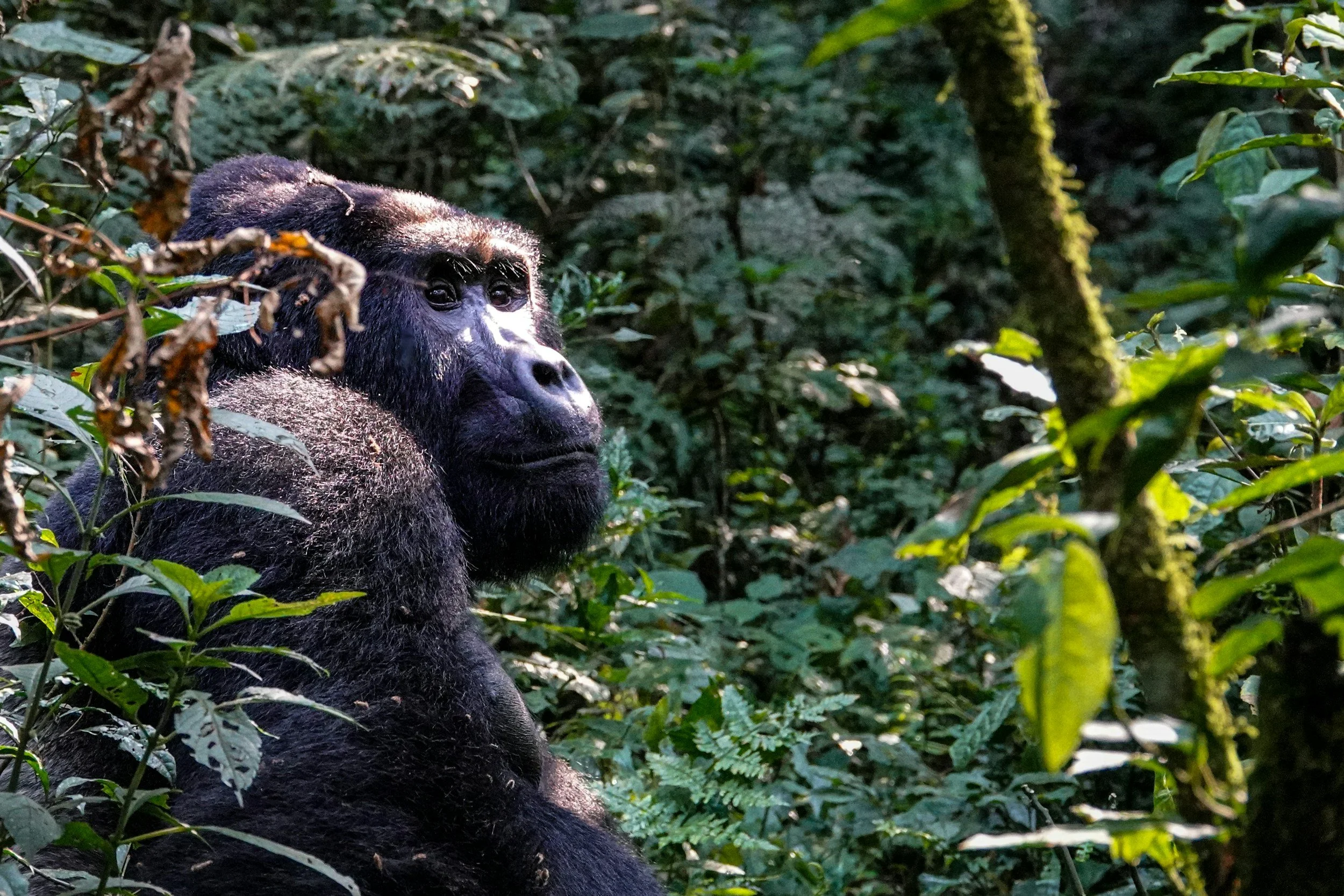
An hour with mountain gorillas is one of the few experiences left that genuinely earns the word "life-changing," and clients who do it almost never regret the cost. That makes it one of the most rewarding trips you can sell. It's also one of the least forgiving — the permits are expensive and scarce, the timing has real consequences, and the wrong lodge can quietly undercut a trip the client paid a fortune for. Here's what you need to have straight before you quote it.
The permit: the number that anchors everything
Start here, because everything else builds on it. A Rwanda gorilla trekking permit costs $1,500 per person for foreign visitors, set by the Rwanda Development Board, and it buys one tightly controlled hour with a habituated gorilla family in Volcanoes National Park.
The number is high on purpose. Rwanda runs a deliberate high-value, low-impact model — limited visitors, premium price — to protect the gorillas, and a real share of that fee funds conservation and the surrounding communities. For the client, the framing that lands isn't "expensive ticket," it's "the reason these animals still exist." Sell the meaning, not just the access.
Two operational facts you cannot get wrong:
Supply is tiny. Only a small number of permits are issued each day, across twelve habituated families, with a maximum of eight visitors per family per day. For peak season — roughly June to September — they sell out months ahead, so secure them three to six months out at minimum.
There's a minimum age. Trekkers must be at least 15 years old, and it's strictly enforced — which matters the moment a family with younger kids asks about it. Flag it before they fall in love with the idea.
One more worth knowing for budget-conscious clients: in the low season (roughly November to May), Rwanda offers a discounted permit for travellers who also visit its other national parks — a useful lever for building a longer, better-value itinerary rather than a one-stop trek.
Timing: sell the dry season, but know the trade-off
Gorilla trekking runs year-round, but the experience isn't the same in every month.
The dry seasons — broadly June to September and December to February — bring firmer trails and easier trekking, which is why they're peak and why permits vanish first. This is the window most clients want and the one you need to book furthest ahead.
The rainy seasons make permits easier to get and conditions tougher — muddier, steeper going underfoot. That's not automatically a downside. For a fit, adventurous client who books late or wants better value, low season is a legitimate sell — fewer crowds, greener forest, that permit discount. The mistake is matching the season to the wrong client. Set expectations honestly: this is a real hike on steep, often muddy terrain at altitude, dry season or not.
The lodge: where a great trip gets quietly made or lost
Here's the part agents underweight. After a $1,500 permit, the lodge isn't where you cut corners — it's where the trip is won. And in Rwanda specifically, lodge choice isn't just about luxury. It's about proximity, because treks start with an early-morning briefing at the park headquarters.
Lodges closer to the park gate mean shorter pre-dawn drives, less trek fatigue, and a better encounter. That's a concrete selling point, not a soft one — "you'll sleep longer and start fresher" is something a client feels on the day.
At the top of the market, the standout is Singita Kwitonda Lodge. It sits right on the edge of Volcanoes National Park on 178 acres, with eight suites — each with a private heated plunge pool, indoor and outdoor fireplaces, and windows framing the Sabyinyo, Gahinga and Muhabura volcanoes. It was built by local artisans from volcanic rock, with a farm-to-table kitchen and an on-site nursery replanting gorilla habitat — so the conservation story the permit starts, the lodge continues. For a client who wants "gorillas, but make it five-star," this is the answer.
There's strong company at the top too — One&Only Gorilla's Nest, Bisate Lodge, Sabyinyo Silverback Lodge — each with its own character. The point isn't one lodge for everyone; it's matching the property to the client and never treating the bed as the afterthought on a premium trip.
How to sell it well, in order
Lead with permits. Confirm availability for the dates before you build anything else — no permit, no trip.
Book early for dry season, and pitch low season honestly to the right client as a value play.
Screen for the age limit and fitness up front, so nobody falls in love with a trek they can't do.
Choose the lodge for proximity and fit, not just star rating — it's the difference between a good trek and a great one.
Sell the meaning. The price is the story: exclusivity, conservation, one irreplaceable hour.
Get those right and this is about as close to a guaranteed "best trip of my life" review as exists in travel.
Where Hyperporter fits: we hold the ground operation in Rwanda — permits secured against your dates, lodges from Singita Kwitonda down matched to your client, transfers and trek logistics handled — quoted back to you in 24 hours, so you sell the once-in-a-lifetime hour and we make sure nothing around it goes wrong.
