
Japan beyond Tokyo: add-ons that turn a standard trip into a referral machine
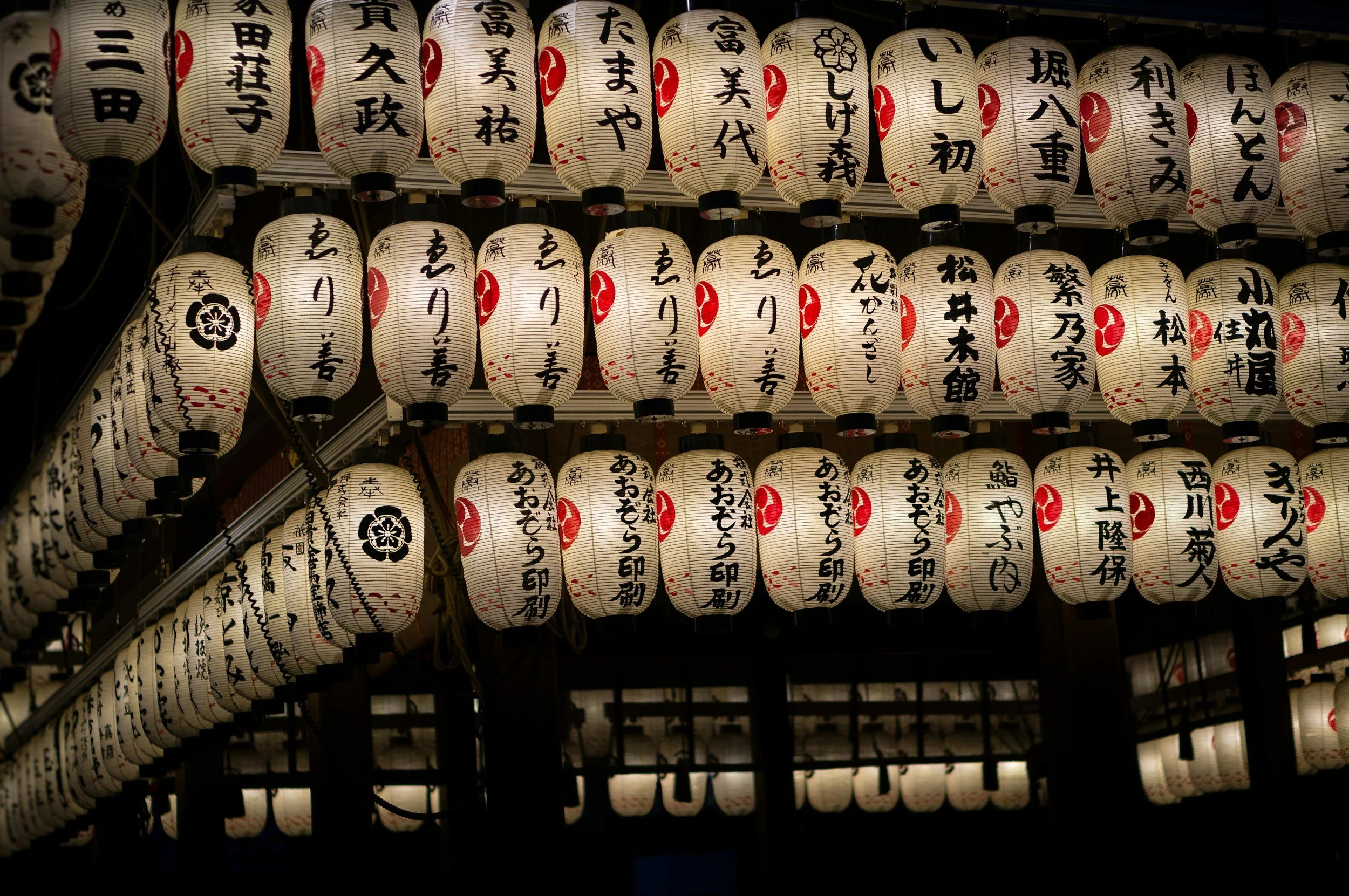
Every Japan itinerary looks roughly the same: a few days in Tokyo, the bullet train to Kyoto, temples, maybe a night somewhere in between. It's a good trip. It's also the exact trip every other agent is selling, which is why it rarely earns you a referral. The client had a lovely time, but nothing happened that they couldn't have booked themselves.
Referrals come from the opposite thing — the moments a client couldn't have found on their own and can't stop describing when they get home. In Japan, those moments live in the layers you add on top of the obvious route. Here's where to find them.
Why "Tokyo and Kyoto" doesn't get you referred
The standard route isn't wrong. It's just invisible. A client who gets Tokyo, Kyoto, and a bullet train ride had a great holiday and credits the holiday, not you. To get credited — and referred — the trip needs at least a couple of things the client experiences as access: something they're certain they couldn't have arranged from their laptop.
That's the whole strategy. Build the reliable backbone everyone expects, then layer in two or three things that feel like a private door opening. Those are the things they describe at dinner parties, and dinner parties are where your next client comes from.
The add-ons that actually do the work
Not all extras are equal. A generic "tea ceremony experience" is still a brochure item. The ones that earn referrals feel personal, insider, and slightly beyond reach. A few directions that consistently land:
Food, but specific. Not "a nice dinner" — a counter seat at a tiny place that doesn't take foreign bookings without an intermediary, a morning with a chef at the market, a sake tasting somewhere a guidebook would never route them. Japan's food culture is bottomless, and access to the right table is exactly what a client can't self-book.
The quiet city. Everyone does Kyoto's headline temples. The referral comes from the café down a backstreet where coffee is treated as a ritual, the garden with no tour buses, the neighbourhood that feels like the real thing. The contrast with the crowds is the story.
A region nobody suggested. Past Tokyo and Kyoto, Japan opens up fast — the mountains and old post towns of the Nakasendo, the art islands of the Seto Inland Sea, the onsen towns, the far north or the far south. One unexpected region turns a "Japan trip" into "the time we went to a place I'd never even heard of."
A craftsperson or a maker. Time with an artisan — indigo dyeing, knife-making, ceramics — is the kind of human, hands-on hour that becomes the headline of the whole trip.
A ryokan night done right. Not any ryokan — the right one, with the bath and the kaiseki meal and the quiet, matched to the client. The first proper ryokan stay is something people describe for years.
The principle underneath all of it: contrast
Why does this work? Because the add-ons get their power from sitting next to the familiar. Tokyo's neon makes the silent mountain village hit harder. The crowded famous temple makes the empty backstreet garden feel like a secret. You're not replacing the classics — you're using them as the backdrop that makes the insider moments land.
So don't pitch clients an "alternative Japan" that strips out the icons. Pitch the icons plus the layers. The standard route is the setup. The add-ons are the punchline.
How to build it so it sells
Keep the backbone. Tokyo and Kyoto stay — they're what the client pictured and what makes them comfortable booking.
Add two or three insider layers, matched to who the client actually is. A food obsessive, a design lover, and a young family want completely different add-ons.
Lead your pitch with the add-ons, not the icons. The client already assumes Tokyo. Open with the artisan morning and the hidden region — that's what makes your version sound different from the three other quotes they're getting.
Make the access real. The whole promise is "you couldn't book this yourself." That only holds if someone on the ground can actually open those doors.
That last point is where most of these trips fall down. The backbone is easy to book. The add-ons — the counter that doesn't take outside reservations, the artisan who doesn't have a website, the perfectly matched ryokan — need someone in Japan with the relationships to make them happen. Without that, "insider Japan" is just a nicer-sounding brochure.
Sell the layers, not the landmarks, and a standard Japan trip becomes the one your client sends three friends your way over.
That's the part Hyperporter handles: the ground network in Japan that turns add-ons from a wishlist into confirmed bookings — the access, the makers, the right ryokan — built into one itinerary and quoted back in 24 hours, so you can promise the trip clients can't find themselves and actually deliver it.
