
How to package a Kenya–Tanzania–Zanzibar trip clients will actually book
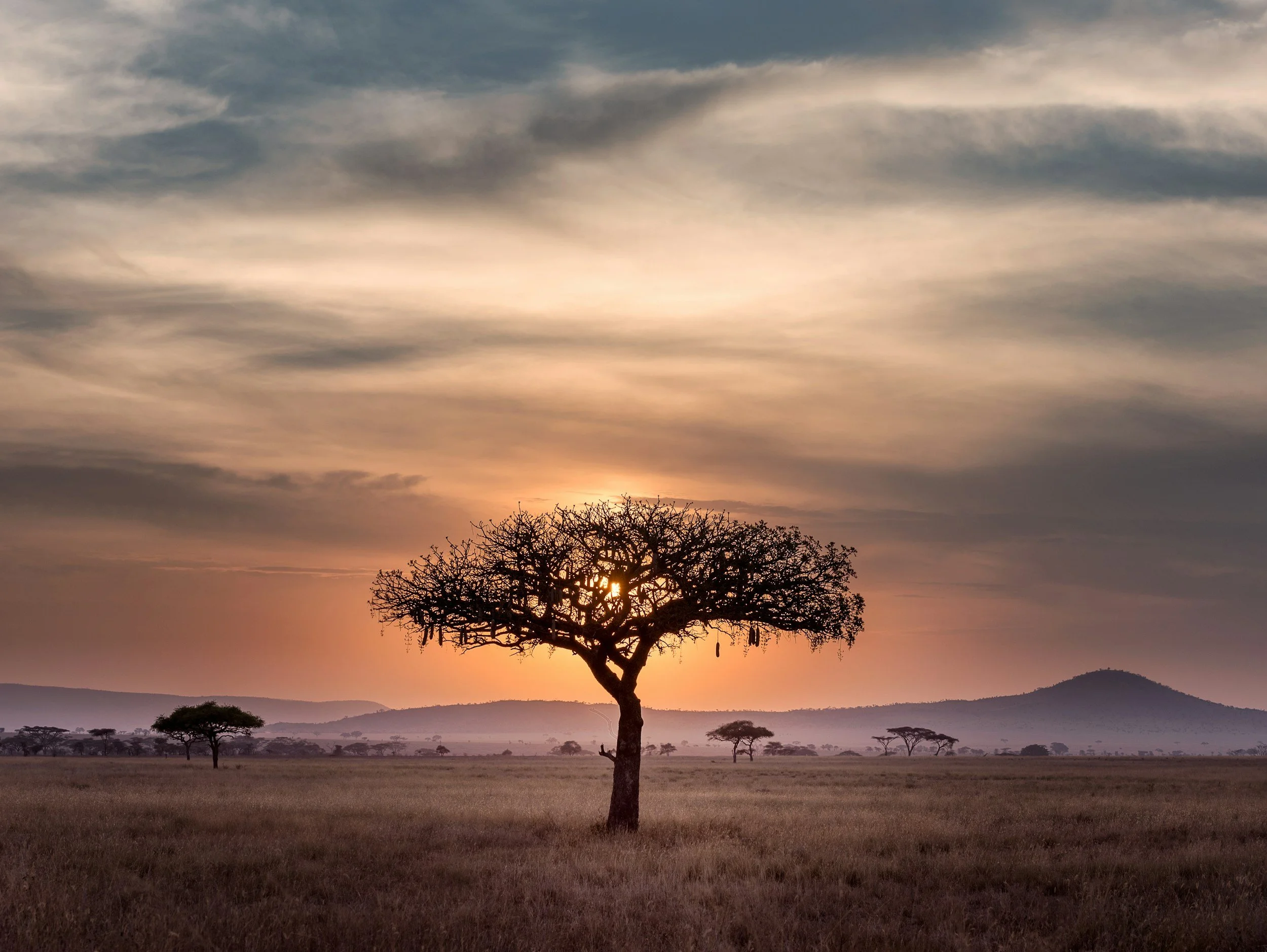
This is one of the most searched-for trips in Africa, and for good reason: world-class safari followed by a tropical beach to recover on is an almost perfect arc. The bush gets the adrenaline, the coast gets the wind-down, and the client goes home with the trip of their life.
It's also a trip that's easy to quote badly. The countries don't hand off as cleanly as the brochure suggests, the timing makes or breaks the whole thing, and the budget can balloon if you sequence it wrong. Here's how to build the version that flows — and books.
The arc that makes it sell: adventure first, decompression last
The reason this combo works psychologically is the order. Safari is early starts, long game drives, big emotional highs, and not much sleep. Zanzibar is the opposite — slow, warm, horizontal. Put the safari first and the beach second and you've built a trip that peaks hard and then lets the client float home rested.
Flip it and you've got people lying on a beach getting antsy, then dragged out of holiday mode into 5am game drives. Always sell the bush before the beach. It's not just logistics; it's the emotional shape of the trip.
Getting the safari leg right: Kenya and Tanzania aren't interchangeable
The instinct is to treat "safari" as one block. Don't. Kenya and Tanzania each bring something different, and the value of doing both is the contrast.
Kenya's Maasai Mara is open, classic big-cat country — the savannah image clients have in their heads. Tanzania's Serengeti is vast and dramatic, and right next door sits Ngorongoro Crater, which is a genuinely different landscape and an easy "wow" to build in. Two countries gives you variety the single-country version can't match, and it justifies the multi-stop price.
A workable shape is a few nights in the Mara, then across to the Serengeti and Ngorongoro, then the coast. But that's entirely governed by one thing: timing.
Timing is the whole game — and it's about the migration
The Great Migration moves through this region across the year, and where the herds are determines which side of the border you want your client on. Broadly: the dramatic river crossings tend to happen in the Mara around the second half of the year, while the southern Serengeti sees the calving season early in the year. The herds don't read calendars, so this shifts — but the principle holds: build the safari leg around where the wildlife actually is for those dates, not around a fixed route.
This is the single most common way this trip gets mis-sold. An agent picks the route first and the dates second, and the client ends up in an empty Mara while the migration's three hundred kilometres south. Dates first. Route follows the wildlife.
Zanzibar, by contrast, is most reliable in the drier stretches of the year — you want to steer clients away from the heaviest rains, which can wash out the beach half of a trip they paid a premium for.
Zanzibar: don't treat the beach as an afterthought
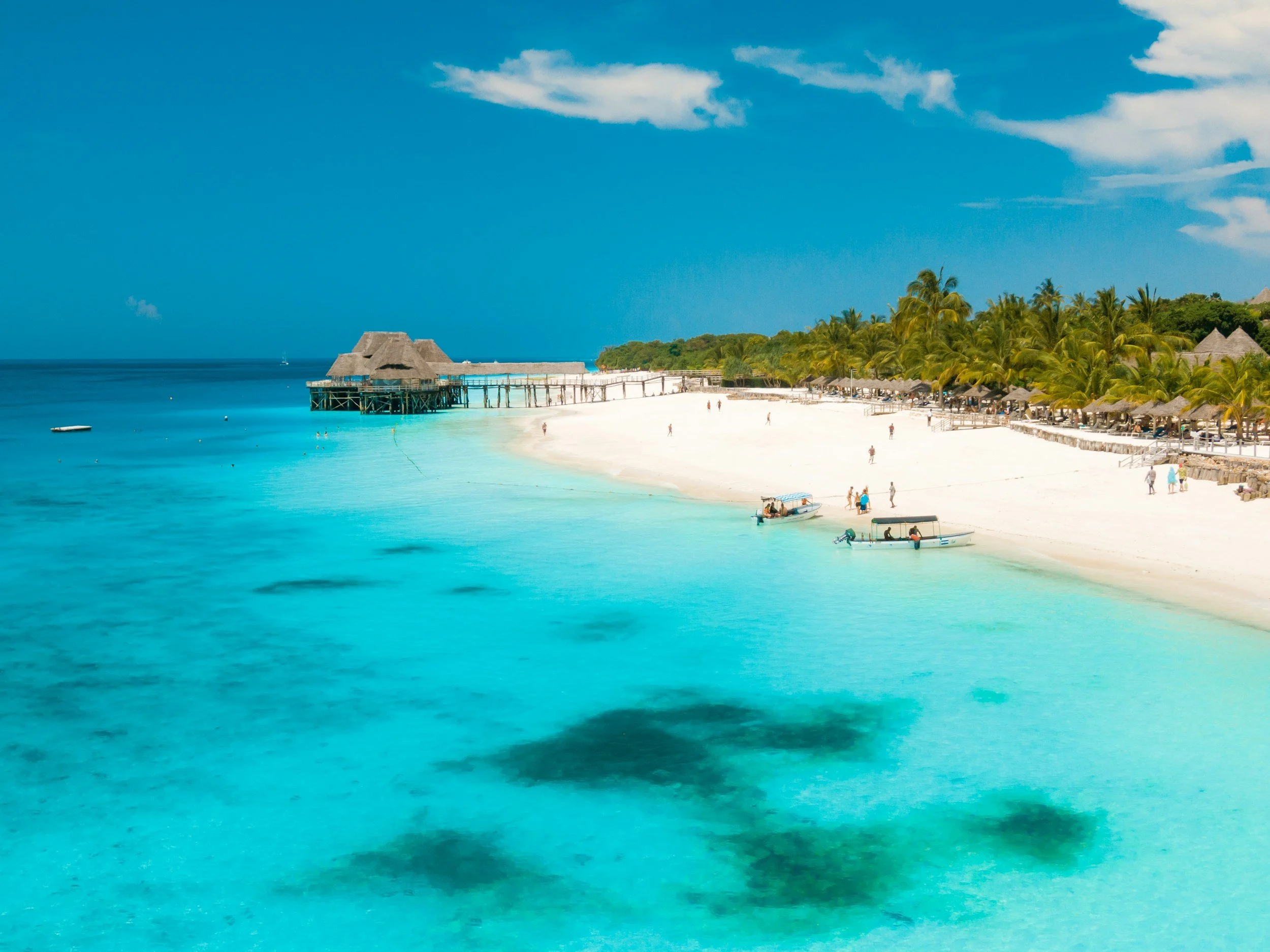
The beach leg is where agents get lazy, and it shows. "Some nights in Zanzibar" isn't a plan. The island has very different areas — lively spots, quiet honeymoon stretches, places strong for diving — and matching the right one to the client is the difference between a nice add-on and the part they rave about. A honeymoon couple and a family with teenagers want completely different coastlines.
Build in enough nights for it to feel like a real second act — not two nights tacked on, but a genuine wind-down. Three to four nights minimum, more for honeymooners.
The seams that break this trip
Because it crosses two countries and ends on an island, the failure points are all in the transitions:
The Kenya–Tanzania border and the inter-country flights — these need to line up with game drives and check-ins, and they're where DIY itineraries fall apart.
The bush-to-beach connection — getting from a remote camp to a Zanzibar resort usually involves a light aircraft and a careful handoff. Mistime it and you lose a day of the trip.
Park fees, permits, and conservancy charges that differ on each side of the border and quietly inflate the quote if you haven't accounted for them up front.
None of these are visible to the client when they're handled well. All of them are the first thing the client notices when they're not.
How to package it so it actually closes
Start with dates and pin the migration. Everything else flexes around where the wildlife is.
Sell two-country safari for the contrast, then the coast — adventure first, decompression last.
Match the Zanzibar region to the actual client, don't default to one beach for everyone.
Price the whole thing as one trip, so the border crossings, bush flights, and beach transfer are owned by one operation and the seams disappear.
Quote it fast — this is a high-intent, high-search trip, and the client is almost certainly asking someone else too.
Done right, this is one of the most satisfying trips you'll ever sell. The wildlife does the heavy lifting; your job is the sequencing and the seams.
That's where Hyperporter comes in: Kenya, Tanzania, and Zanzibar run as one itinerary on one ground network — border crossings, bush flights, permits, and the beach handoff all handled — quoted back to you in 24 hours so you can route around the migration instead of guessing.
